Local Construction Insights to Tucson General Contractor
Tips for Selecting the Perfect General Contractor for Your Next Home Renovation
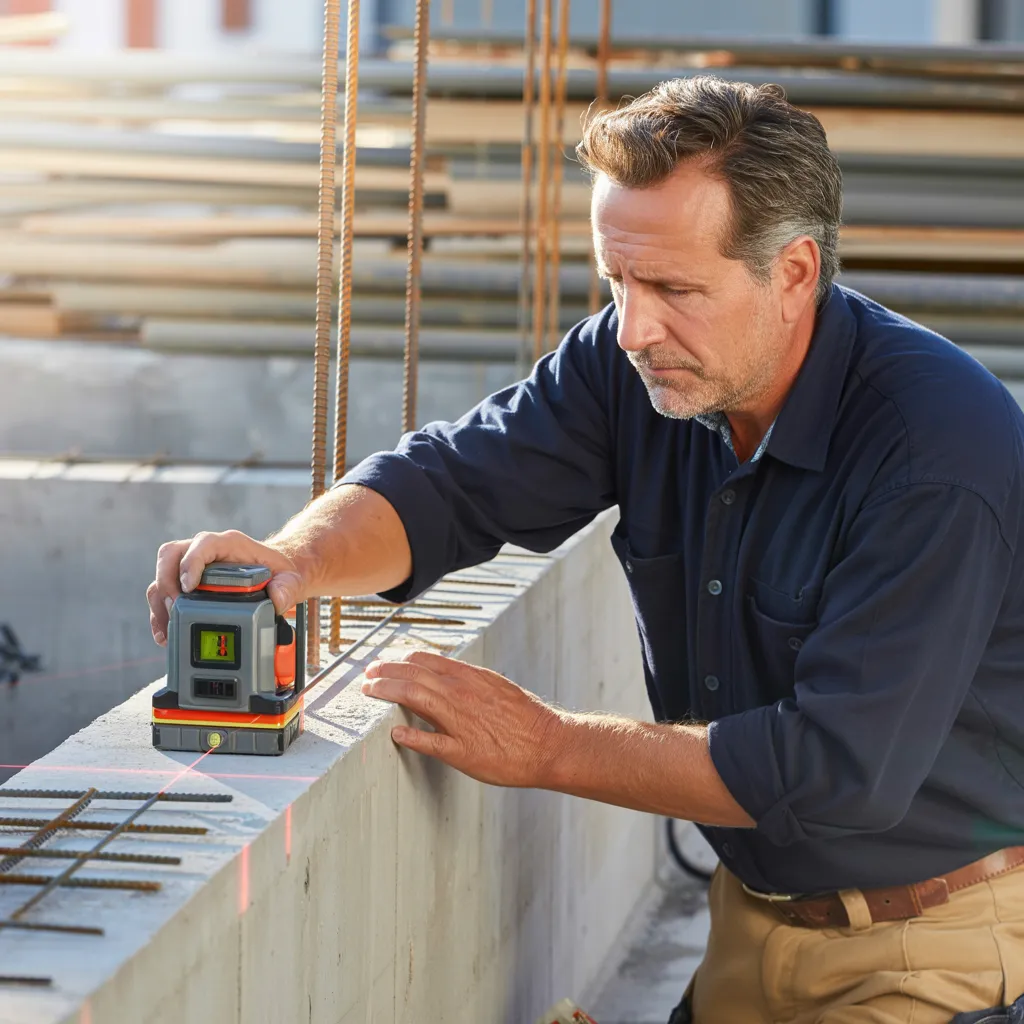
Finding the best general contractor for your home project is a important decision. It calls for deliberate assessment of multiple factors, including expertise, credentials, and ability to communicate. Plenty of property dwellers fail to see important points, leading to financial losses. Knowing how to evaluate potential professionals can make a major difference. By concentrating on key standards and asking the right inquiries, one can work through this challenging process more effectively. What are the key procedures to ensure a fruitful working relationship?
Key Elements for Avoiding Common Errors When Selecting a Contractor
When choosing a general contractor, how should one navigate the vast array of options without encountering typical pitfalls? Prospective clients often overlook important elements that can lead to disappointing results. First, basing decisions just on price can be misleading; the lowest bid may represent subpar quality or additional fees. Additionally, neglecting to check references or online reviews can result in engaging a contractor with a bad history. It is also essential to steer clear of decisions based only on likability; a friendly contractor may not have the required expertise or trustworthiness. Moreover, missing defined exchanges and requirements can lead to errors and displeasure. Finally, not reviewing contracts thoroughly before signing can result in unforeseen duties or insufficient defense. By being watchful and educated, homeowners can make more confident decisions, ultimately ensuring a fruitful endeavor.
How to Assess a Contractor's Experience
When evaluating a contractor's track record, several key factors become relevant. Relevant project experience, industry certifications, and an comprehensive collection of finished projects serve as critical indicators of their competencies. Examining these aspects can provide useful understanding into the contractor's appropriateness for the specific project at hand.
Suitable Project Background
Grasping a contractor's applicable work history is essential for guaranteeing the success of any building project. Prospective clients should assess the contractor's portfolio, concentrating on finished work comparable in size and design to their own. This entails examining the quality of workmanship, adherence to timelines, and cost control in previous undertakings. Additionally, it is beneficial to inquire about the kinds of substances used and the contractor's knowledge of area construction regulations and regulations. Reviews and recommendations from previous customers can shed light on the contractor's reliability and ability to communicate. Ultimately, a contractor with considerable applicable expertise can handle difficulties successfully, ensuring the undertaking satisfies the homeowner's requirements and benchmarks.
Industry Credentials And Licenses
Certification and licensing function as important indicators of a contractor's professionalism and skills in the construction industry. When engaging a general contractor, it is important to ensure they have the required licenses mandated by local and state regulations. Such licenses confirm compliance with building codes and safety standards. Furthermore, industry certifications, like those from the National Association of Home Builders or other related organizations, signify a contractor's dedication to quality and continuous education. Specialists with particular certifications may also possess expertise in specific fields, such as green building or remodeling. Verifying that a contractor holds the proper credentials not only boosts confidence in their capabilities but also minimizes potential legal and financial risks during the project.
Showcase Of Accomplished Work
The contractor's portfolio of accomplished tasks acts as a essential resource for measuring their capabilities and background. This collection should highlight a diversity of assignments, showing versatility in distinct styles and complexities. When analyzing a portfolio, interested parties must find clear images that show the quality involved. It is also beneficial to see works that align with the homeowner's individual preferences or design tastes. Meticulousness, creative approaches, and meeting deadlines are critical indicators of a contractor’s expertise. Furthermore, client testimonials or case studies included in the portfolio provide more knowledge into the contractor's professionalism and reliability. Finally, a solid portfolio allows homeowners to choose wisely regarding their forthcoming tasks.
Steps to authenticate Your Contractor's Credentials and Licenses
Before selecting a general contractor, it is paramount to corroborate their credentials and licenses to guarantee they meet occupational requirements. Start by consulting state regulatory boards to establish that the contractor secures the required licenses for your area and project type. Each state prescribes its own requirements, so learning them can prevent downstream complications.
Additionally, ask about insurance coverage, encompassing liability and workers' compensation, to guarantee protection against potential accidents or damages. Gather references from previous clients and touch base to measure satisfaction and reliability.
Finally, examine any certifications the contractor may have, as these often indicate advanced expertise and adherence to industry best practices. A thorough verification process not only ensures adherence but also builds confidence in the contractor's ability to complete the project successfully.
Why Open Communication Is Necessary in Your Contractor Connection
Essential interaction plays a important role in the contractor-client relationship, determining the project's success from the outset. Clear dialogue sets expectations, timelines, and budgets, ensuring both parties are in agreement on the project's goals. When clients articulate their vision effectively, contractors access this information can provide informed recommendations and solutions, enhancing the overall outcome.
Consistent communications and clear channels of contact facilitate swift resolution of issues as they arise, decreasing potential delays. Additionally, a contractor who listens and replies to client feedback establishes trust, which is essential for collaboration.
Additionally, effective dialogue assists in managing changes and unexpected challenges, keeping the project on schedule. It allows the contractor to modify strategies based on client input, ensuring contentment during the process. Ultimately, prioritizing communication not only strengthens the contractor-client relationship but also significantly adds to the successful completion of the home project.
Essential Inquiries to Ask Your Contractor in Initial Meetings
When initially consulting with a contractor, clients should make it a priority on understanding their experience and qualifications. It's imperative to discuss the project timeline and budget to assure synchronization with the client's expectations. These questions set a groundwork for a successful partnership and effective project management.
Experience and Qualifications
Choosing a general contractor is contingent upon understanding their experience and expertise. Homeowners must inquire about the contractor's years in business and the types of projects completed. Asking specific questions about appropriate licenses, certifications, and insurance is vital, as these guarantee compliance with local regulations and provide protection during the project. Additionally, checking past work through portfolios or references can provide insight into the contractor's craftsmanship and reliability. It is also useful to ask about their experience in similar projects, since this can demonstrate their capability to handle particular challenges. In conclusion, evaluating a contractor's background and skills creates assurance and guides homeowners in making educated decisions about their home improvements.
Project Timetable and Budget
increasing the chances of a successful project.
Tips for Checking References and Reading Reviews
What measures should one implement to ensure a general contractor is reliable? First, it is essential to request a list of referrals from potential contractors. A established contractor will willingly provide names and contact information of previous clients. One should contact these references to inquire about their experiences, concentrating on elements like communication, quality of work, and adherence to timelines.
Moreover, exploring online opinions on channels like Google, Yelp, or Angie's List can offer meaningful insights. It is vital to detect consistencies in the feedback—consistent commendation or disapproval can point to reliability or conceivable drawbacks.
Furthermore, checking any complaints submitted with local licensing boards or consumer protection agencies can demonstrate a contractor's past. Finally, asking for recent images of their work can help evaluate the quality of their work. By taking these steps, one can make a more knowledgeable decision when selecting a general contractor.
Comprehending Independent Provider Pricing and Financial Terms
Property owners should get to know conventional payment terms. Most contractors ask for a deposit at the beginning, preceded by progress payments connected to project milestones. It's vital to address these terms before agreeing to a contract to prevent misunderstandings. Moreover, homeowners should ask about potential hidden fees, such as permits or unanticipated work. Transparent dialogue regarding payment structure and pricing will help develop a straightforward working relationship, eventually resulting in a successful project outcome. Learning about these elements gives homeowners the ability to select appropriately when identifying a general contractor.
Frequently Asked Questions
What Schedule Should We Anticipate for Project Delivery?
Project timeline typically varies based on scope and complexity. Typically, it may take several weeks to months. Elements such as climate conditions, material availability, and labor resources can greatly influence the completion timeline.
What Transpires if Surprise Complications Arise During Project Work?
If unexpected issues happen during construction, the contractor typically examines the situation, speaks with the homeowner, and proposes solutions. Adjustments to the timeline and budget could be necessary, ensuring honesty throughout the project.
Will My Project Necessitate Permits or Examinations?
Most assignments require permits and inspections to guarantee adherence with local building codes. It is critical to consult with a construction professional who grasps these needs, as they can handle the permitting process competently.
What Is Your Method to Handling Subcontractors and Their Payments?
A prominent general contractor controls subcontractors by instituting explicit terms delineating payment terms. They guarantee regular disbursements, cultivate honest dialogue, and scrutinize subcontractor work standards, fostering a cooperative framework that contributes to project excellence and productivity.
How Do You Handle Project Changes or Upgrades?
The contractor maintains a accommodating approach to shifting project needs, calling for written documentation for any add-ons. They guarantee clear communication, assess cost implications, and fine-tune timelines accordingly to fulfill the client's evolving needs and preferences.